

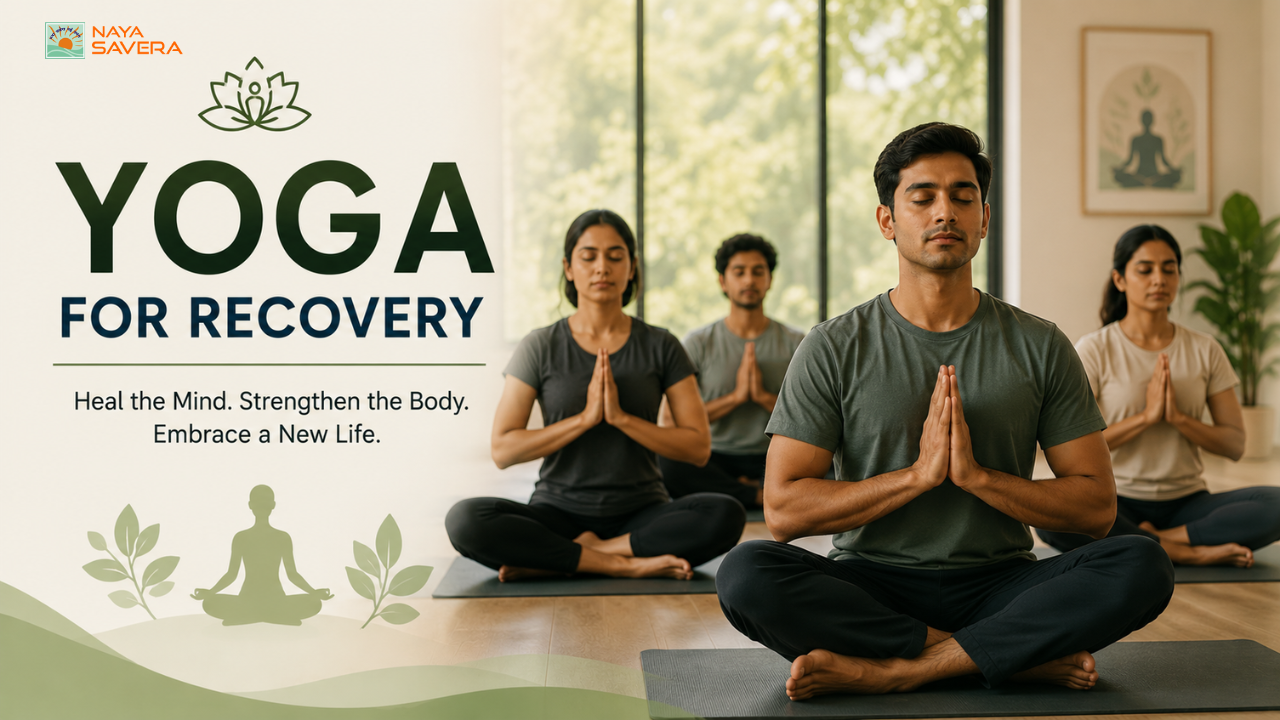

Drug and alcohol addiction affects much more than just the body. It impacts mental health, emotional stability, relationships, confidence, and overall quality of life. While medical detoxification, counselling, and psychotherapy remain essential components of addiction treatment, many rehabilitation centres are now incorporating holistic therapies to improve recovery outcomes.
One such therapy is yoga.
For centuries, yoga has been recognized as a powerful practice for improving physical health, emotional balance, and mental well-being. Today, addiction recovery professionals across the world are increasingly using yoga as a complementary treatment alongside traditional rehabilitation programs.
But can yoga actually help someone recovering from drug or alcohol addiction?
The answer is yes. While yoga is not a replacement for professional treatment, research and clinical experience suggest that it can play a valuable role in supporting recovery, reducing stress, improving emotional regulation, and strengthening relapse prevention efforts.
At Naya Savera, a trusted rehab center in Delhi NCR, holistic wellness practices such as yoga are integrated into recovery programs to help individuals achieve both physical and emotional healing.
Understanding Addiction Beyond Physical Dependence
Many people assume addiction is purely a physical condition. While substance dependency certainly affects the body, addiction is equally connected to emotional and psychological health.
Individuals struggling with alcohol or drug addiction often experience chronic stress, anxiety, depression, trauma, loneliness, or emotional instability. In many cases, substances become a way to escape difficult emotions or temporarily cope with life challenges.
When alcohol or drugs are removed, these underlying emotional issues often resurface. This is why successful treatment requires more than detoxification alone.
A professional drug rehab in Delhi NCR focuses on helping individuals recover physically, emotionally, and mentally. Yoga supports this process by encouraging self-awareness, emotional balance, and healthy coping mechanisms.
How Yoga Affects the Brain During Recovery
Addiction changes the way the brain functions. Prolonged substance use affects areas responsible for decision-making, impulse control, stress response, and emotional regulation.
During recovery, the brain needs time to heal and re-establish healthy neurological patterns. Studies have shown that yoga can positively influence brain function by reducing stress hormones and increasing the production of chemicals associated with relaxation and emotional well-being.
Regular yoga practice may help individuals feel calmer, more focused, and better equipped to handle daily challenges without relying on substances.
For people receiving treatment at an alcohol rehab in Delhi NCR, this mental clarity can be especially valuable during the early stages of recovery when cravings and emotional triggers are often strongest.
Managing Stress Without Alcohol or Drugs
Stress is one of the most common reasons people relapse after completing rehabilitation. Many individuals initially turn to alcohol or drugs as a way to manage pressure, emotional pain, or difficult situations.
Unfortunately, substances provide only temporary relief while creating larger problems over time.
Yoga teaches individuals how to respond to stress in healthier ways. Through breathing exercises, mindfulness, and physical movement, yoga helps activate the body’s relaxation response and reduce feelings of anxiety.
When practiced consistently, yoga can become a powerful tool for managing stress naturally.
This is one reason why many modern rehab centers in Delhi NCR include yoga sessions as part of their daily recovery programs.
The Connection Between Yoga and Emotional Healing
Recovery often requires confronting emotions that have been suppressed for months or years. Feelings such as guilt, shame, anger, sadness, and fear frequently emerge during rehabilitation.
Yoga encourages individuals to become more aware of their thoughts and emotions without reacting impulsively. This increased self-awareness helps people understand their emotional patterns and develop healthier responses.
Over time, yoga can improve emotional resilience and reduce the tendency to seek comfort through alcohol or drugs.
At a trusted rehab center in Delhi, emotional healing is considered just as important as physical recovery because unresolved emotional issues often contribute to relapse.
Improving Sleep During Addiction Recovery
Sleep problems are extremely common among individuals recovering from addiction. Alcohol and drugs often disrupt natural sleep cycles, making it difficult for the body to achieve restorative rest.
During the early stages of recovery, many people experience insomnia, restlessness, or poor sleep quality. These sleep disturbances can increase stress levels and make recovery more challenging.
Yoga promotes relaxation and helps calm the nervous system, making it easier for individuals to fall asleep and stay asleep. Improved sleep supports physical healing, emotional stability, and overall recovery progress.
For patients attending a drug rehab in Delhi NCR, better sleep can significantly improve mood, concentration, and daily functioning.
Yoga Helps Reduce Anxiety and Depression
Anxiety and depression frequently occur alongside addiction. Some individuals begin using substances to cope with these mental health challenges, while others develop emotional difficulties as a result of prolonged substance abuse.
Research suggests that yoga may help reduce symptoms of anxiety and depression by promoting mindfulness and improving the body’s ability to manage stress.
Breathing techniques used in yoga can help calm racing thoughts, while meditation practices encourage greater emotional awareness and acceptance.
Although yoga should not replace professional mental health treatment, it can be an effective complementary therapy within a comprehensive rehabilitation program.
This is why many leading rehab centers in Noida and Delhi NCR incorporate yoga alongside counselling and psychotherapy.
Building Self-Discipline and Routine
One of the challenges of addiction recovery is rebuilding structure and consistency in daily life. Addiction often disrupts routines, responsibilities, and personal goals.
Yoga encourages discipline through regular practice and mindful living. Attending daily yoga sessions helps individuals develop healthy habits that can be maintained long after rehabilitation ends.
This sense of structure often extends into other areas of life, including work, relationships, physical health, and personal growth.
Recovery is not simply about avoiding substances, it is about creating a lifestyle that supports long-term well-being.
Yoga and Craving Management
Cravings are a normal part of addiction recovery. Even after detoxification and therapy, individuals may occasionally experience urges to use alcohol or drugs.
Yoga can help manage cravings by teaching mindfulness and increasing awareness of physical sensations and emotional triggers. Rather than reacting impulsively, individuals learn to observe cravings and allow them to pass without acting on them.
This skill becomes particularly valuable during stressful situations or periods of emotional difficulty.
A quality alcohol rehab in Delhi NCR often combines yoga with relapse prevention strategies to help individuals strengthen their recovery foundation.
Supporting Physical Recovery After Addiction
Substance abuse can take a significant toll on physical health. Weakness, fatigue, poor flexibility, muscle tension, and reduced stamina are common among individuals entering rehabilitation.
Yoga provides gentle physical activity that supports recovery without placing excessive strain on the body.
Regular practice can improve flexibility, balance, circulation, posture, and overall physical wellness. These improvements often contribute to higher energy levels and greater confidence during recovery.
As individuals begin feeling physically stronger, they often become more motivated to maintain healthy lifestyle choices.
Why Yoga Works Best Alongside Professional Treatment
Although yoga offers many benefits, it is important to understand that it is not a standalone treatment for addiction.
Successful recovery typically requires a combination of:
- Medical detoxification
- Individual counselling
- Group therapy
- Family support
- Mental health treatment
- Relapse prevention planning
- Holistic wellness practices
Yoga works best when integrated into a comprehensive treatment program that addresses all aspects of addiction.
At Naya Savera, holistic therapies are used to complement evidence-based addiction treatment, creating a balanced approach to long-term recovery.
Conclusion
Yoga has become an increasingly valuable tool in modern addiction treatment because it supports healing on multiple levels. By reducing stress, improving emotional regulation, enhancing sleep, strengthening self-awareness, and promoting physical wellness, yoga can significantly improve the recovery experience.
While it cannot replace professional treatment, it can enhance the effectiveness of rehabilitation and help individuals build healthier coping mechanisms that support long-term sobriety.
For those seeking recovery at a trusted rehab center in Delhi NCR, incorporating yoga into treatment can provide meaningful physical, mental, and emotional benefits.
At Naya Savera, we believe recovery is most successful when individuals are supported through a combination of professional care, emotional healing, and holistic wellness practices that help create lasting change.
Leave a Comment