


Addiction is no longer a hidden issue in India. From metro cities like Delhi and Noida to smaller towns and hill regions, substance abuse has become a growing concern affecting individuals, families, and communities. However, alongside this rising challenge, there has also been a major transformation in how recovery is approached.
Modern rehabilitation is no longer limited to detox or isolation. Today’s rehabilitation centres in India focus on complete healing addressing the mind, body, and emotional well-being of individuals struggling with addiction.
Understanding this shift is important for anyone seeking help or supporting a loved one through recovery.
Addiction in India: A Changing Reality
A few years ago, addiction was often associated with extreme cases. Today, the reality is different.
Many individuals dealing with addiction are:
- Working professionals
- College students
- Business owners
- Individuals managing high stress lifestyles
Substance use often begins as a coping mechanism for stress, anxiety, loneliness, or social pressure. Over time, it develops into dependency.
This is why more people are now turning to structured treatment programs at a drug de addiction centre or alcohol rehab center rather than attempting to quit on their own.
From Detox to Transformation: The Evolution of Rehab
Traditional rehab methods focused mainly on stopping substance use. While detox remains an important first step, modern recovery programs go much deeper.
Today’s best rehab centre in India offers a multi-layered approach that includes:
- Medical detoxification
- Psychological counseling
- Behavioral therapy
- Emotional healing
- Lifestyle restructuring
This transformation ensures that recovery is not temporary but sustainable.
Why Professional Rehabilitation Matters
Many individuals try to quit substances independently but struggle with relapse. This is because addiction is not only physical it is psychological and behavioral.
Professional treatment at a de addiction centre in India provides:
1. Safe Detox and Medical Supervision
Withdrawal symptoms can be physically and emotionally intense. A structured rehab environment ensures safety and comfort during this phase.
2. Understanding Root Causes
Therapists help identify underlying issues such as stress, trauma, or emotional struggles that lead to substance use.
3. Structured Daily Routine
Routine plays a key role in recovery. A typical day in a rehab centre includes therapy sessions, physical activities, and mindfulness practices.
The Role of Therapy in Long-Term Recovery
Therapy is the foundation of modern addiction recovery.
At a rehabilitation center for drug addicts, individuals participate in:
- Individual Counseling: To explore personal triggers and emotional challenges
- Group Therapy: To build connection and shared understanding
- Cognitive Behavioral Therapy (CBT): To change harmful thought patterns
Therapy helps individuals replace unhealthy coping mechanisms with healthier ones.
Holistic Healing: Beyond Medication
Modern rehabilitation focuses on overall well-being.
Many top rehabilitation centres in India now include:
- Yoga and meditation
- Fitness and physical activity
- Nutritional support
- Mindfulness practices
These methods help restore mental clarity, reduce stress, and improve emotional balance all of which are essential for long-term recovery.
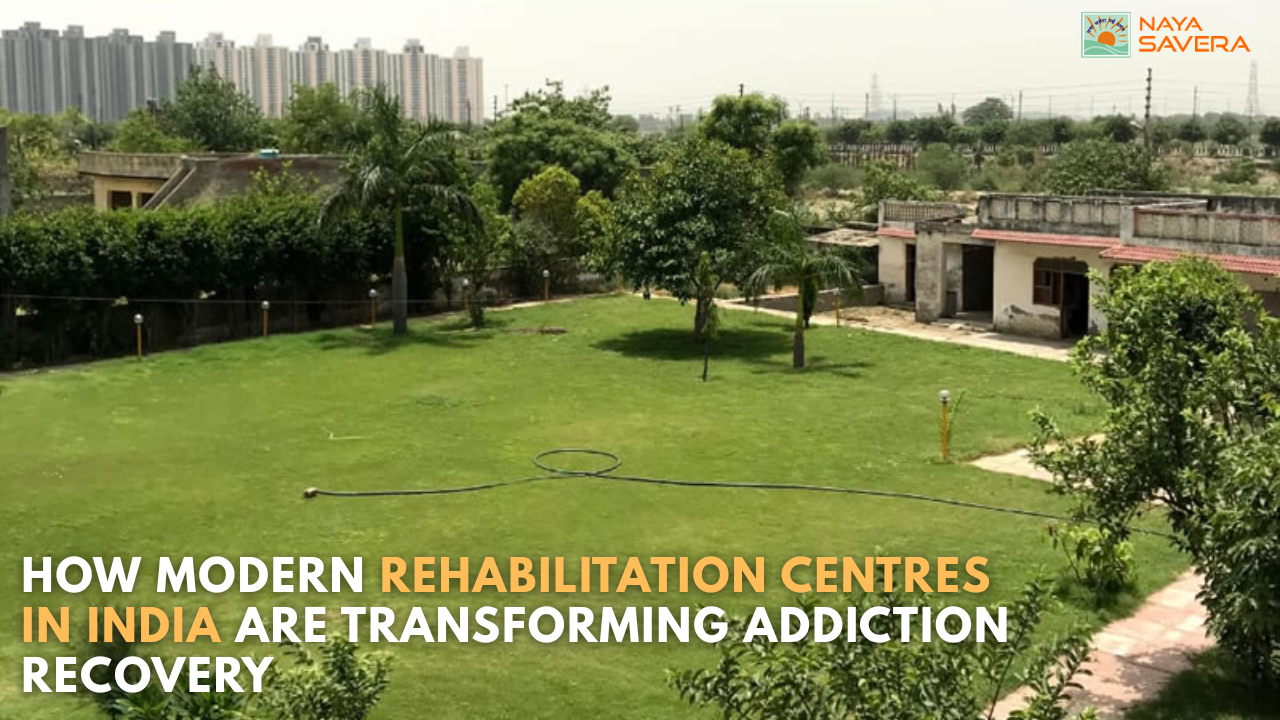
Importance of Environment in Recovery
One of the biggest advantages of a rehab centre is the environment it provides.
Being away from daily triggers allows individuals to:
- Focus entirely on healing
- Break unhealthy patterns
- Build new habits
- Gain mental clarity
Facilities such as a rehab centre in Delhi NCR or a peaceful setting in Himachal Pradesh provide an ideal balance between professional care and emotional healing.
Family Support and Involvement
Addiction affects not just the individual, but the entire family.
Modern rehabilitation programs include family involvement to:
- Rebuild trust
- Improve communication
- Create a supportive home environment
Families are educated about addiction as a condition, helping reduce blame and misunderstanding.
Relapse Prevention: The Real Test of Recovery
Recovery does not end after leaving rehab it begins there.
The biggest challenge is maintaining sobriety in real-life situations.
A structured alcohol rehabilitation centre in Delhi or any professional rehab focuses on relapse prevention through:
- Identifying triggers
- Teaching coping strategies
- Creating structured routines
- Providing aftercare support
This ensures individuals remain stable even after returning to daily life.
Breaking the Stigma Around Addiction
One of the biggest barriers to recovery in India is stigma.
Many people hesitate to seek help because they fear judgment. However, addiction is not a failure, it is a medical condition.
Seeking help from a best deaddiction centre in India is a step toward strength, not weakness.
Awareness is slowly changing this perspective, encouraging more individuals to choose recovery.
The Future of Addiction Recovery in India
India’s rehabilitation landscape is evolving rapidly.
Future-focused recovery includes:
- Personalized treatment plans
- Mental health integration
- Technology-based therapy support
- Increased awareness and accessibility
Centres like Naya Savera Rehab Centre represent this new approach focusing on long-term healing, not just short-term detox.
Conclusion
Addiction recovery today is not about restriction, it is about transformation.
Modern rehabilitation centres in India provide individuals with the tools, support, and environment needed to rebuild their lives. With the right guidance, structured care, and emotional support, recovery is not only possible, it is sustainable.
Taking the first step toward a rehabilitation centre in India can change the direction of a person’s life entirely.
Because recovery doesn’t just mean quitting substances it means rediscovering purpose, balance, and a healthier future.
Leave a Comment