

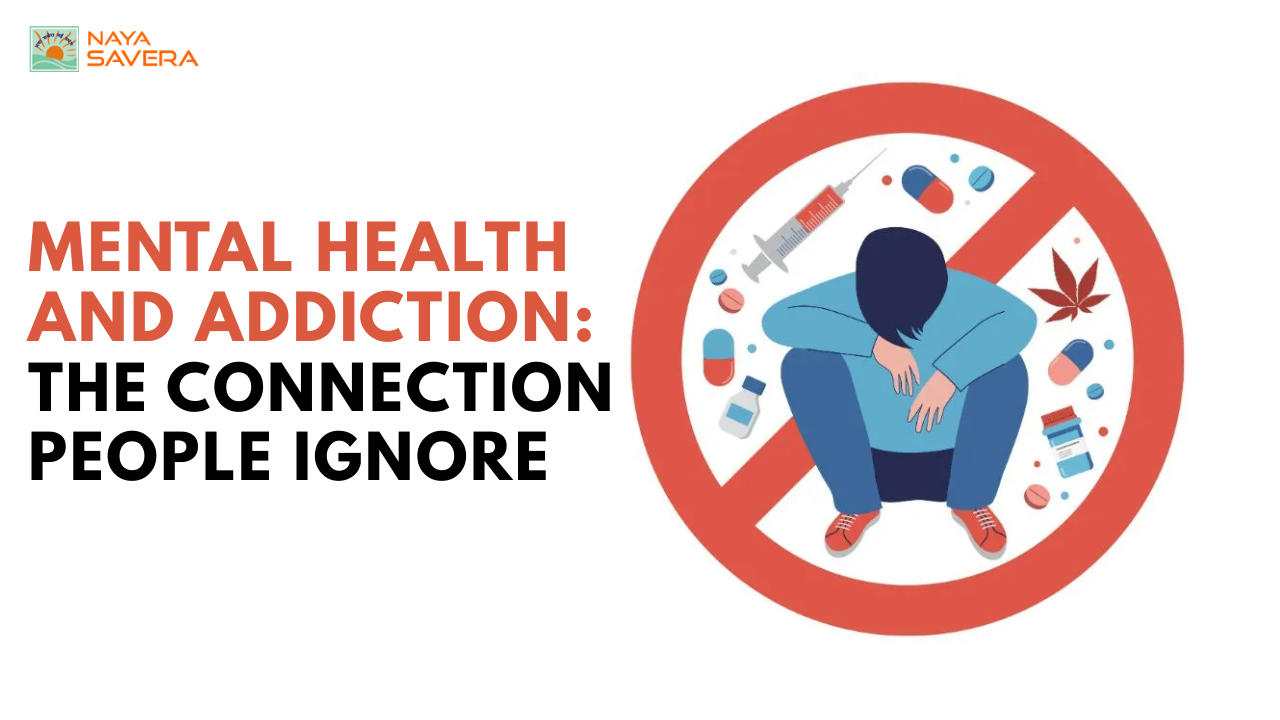

Addiction is often misunderstood as a lack of discipline or poor decision-making. In reality, addiction is deeply connected to mental health. Across India, thousands of individuals struggling with substance abuse are silently battling anxiety, depression, trauma, or emotional distress long before addiction becomes visible.
At leading drug de addiction centre and rehabilitation centre in India, professionals increasingly recognize that treating addiction without addressing mental health is incomplete treatment. The relationship between psychological well-being and substance dependency is powerfully yet widely ignored by families and society.
This blog explores the hidden connection between mental health and addiction, why it develops, warning signs people overlook, and how integrated recovery programs create lasting healing.
Understanding Addiction Beyond Substance Use
Many people believe addiction begins with drugs or alcohol. However, in most cases, addiction starts with emotional pain.
Individuals often turn to substances not to feel pleasure but to escape discomfort.
Common emotional triggers behind addiction:
- Chronic stress and burnout
- Anxiety disorders
- Depression or loneliness
- Childhood trauma or unresolved grief
- Social rejection or low self-esteem
Substances temporarily numb emotional distress. Over time, the brain begins associating relief with substance use, creating dependency.
This is why modern alcohol addiction treatment and rehabilitation programs focus equally on psychological healing and behavioral recovery.
The Brain Science: How Mental Health Fuels Dependency
Addiction changes how the brain functions. Mental health struggles accelerate this process.
When someone experiences anxiety or depression, the brain’s reward system produces lower levels of dopamine, the chemical responsible for motivation and pleasure.
Alcohol or drugs artificially increase dopamine levels, creating temporary relief.
What happens next:
- Emotional pain decreases temporarily
- Brain records substance as a coping mechanism
- Tolerance develops
- Higher consumption becomes necessary
- Dependency forms
This cycle explains why individuals with untreated mental health conditions are significantly more vulnerable to addiction.
Experts at every professional de addiction centre in India now treat addiction as a dual condition both psychological and physical.
Mental Health Disorders Commonly Linked With Addiction
Not every person with mental illness develops addiction, but research shows strong overlap.
1. Depression and Substance Abuse
People experiencing depression may use alcohol or drugs to escape sadness or emotional numbness.
Signs include:
- Loss of interest in daily activities
- Social withdrawal
- Increased substance consumption alone
- Sleep disturbances
2. Anxiety Disorders
Individuals with anxiety often seek substances to calm racing thoughts.
Common patterns:
- Drinking before social situations
- Dependency during stressful periods
- Panic attacks when not using substances
3. Trauma and PTSD
Unresolved trauma is one of the strongest predictors of addiction.
Substances become emotional anesthesia, helping individuals avoid painful memories.
4. Stress and Burnout
High-pressure work environments are contributing to rising addiction cases among professionals seeking relief from constant stress.
A structured rehabilitation center for drug addicts addresses these underlying psychological causes instead of focusing only on detox.
Why Families Often Miss the Connection
One major challenge in India is misunderstanding addiction symptoms.
Families usually notice substance use but ignore emotional warning signs that appeared earlier.
Early mental health red flags:
- Sudden mood swings
- Irritability or anger
- Isolation from family
- Loss of motivation
- Changes in sleep or appetite
Because mental health conversations still carry stigma, many individuals suffer silently until addiction becomes severe.
Self-Medication: The Hidden Path to Addiction
Many people don’t realize they are self-medicating.
Examples include:
- Drinking alcohol to sleep
- Using substances to manage social anxiety
- Taking drugs to improve focus or escape stress
- Using alcohol after work daily to “relax”
Initially, these habits seem harmless.
But over time:
- Emotional resilience decreases
- Natural coping skills weaken
- Dependency replaces emotional regulation
This is why experts at a professional alcohol rehab center emphasize therapy alongside detoxification.
The Vicious Cycle: Addiction Worsens Mental Health
Addiction does not just result from mental illness, it also intensifies it.
How addiction damages psychological health:
- Alters brain chemistry
- Increases anxiety and depression
- Creates guilt and shame
- Damages relationships
- Reduces self-confidence
Eventually, substances stop relieving pain and begin creating it.
Patients often reach rehabilitation believing addiction is their main problem, only to discover untreated emotional wounds beneath it.
Integrated Treatment: The Modern Recovery Approach
Today’s best recovery outcomes come from dual-diagnosis treatment addressing addiction and mental health together.
At a professional rehabilitation centre in India, treatment typically includes:
Psychological Therapy
- Cognitive Behavioral Therapy (CBT)
- Trauma counseling
- Emotional regulation training
Medical Support
- Safe detox supervision
- Withdrawal management
- Psychiatric evaluation
Holistic Healing
- Yoga and mindfulness practices
- Meditation for stress reduction
- Lifestyle restructuring
Social Rehabilitation
- Group therapy support
- Family counseling
- Relapse prevention planning
This integrated approach significantly improves long-term recovery success.
Why Mental Health Treatment Prevents Relapse
Many relapses occur not because individuals lack willpower but because emotional triggers remain unresolved.
Common relapse triggers:
- Stressful life events
- Relationship conflicts
- Workplace pressure
- Loneliness
When therapy teaches coping mechanisms, individuals learn healthier responses instead of returning to substances.
Recovery becomes sustainable rather than temporary.
How Families Can Support Recovery
Family involvement greatly improves treatment outcomes.
Helpful steps families can take:
- Listen without judgment
- Encourage professional help early
- Avoid blame-based conversations
- Participate in counseling sessions
- Learn about addiction psychology
Supportive environments reduce relapse risk and strengthen emotional healing.
The Role of Professional Rehabilitation Centres
Recovery requires structure, guidance, and psychological care.
A trusted drug de addiction centre provides:
- Safe environment away from triggers
- Professional therapy support
- Daily routine and discipline
- Peer community understanding recovery challenges
These elements help individuals rebuild confidence and emotional stability.
Conclusion: Healing the Mind to Heal Addiction
Addiction and mental health are inseparable. Treating one without addressing the other often leads to incomplete recovery.
Understanding this connection changes how we approach substance abuse shifting from blame to compassion, from punishment to healing.
Long-term recovery begins when individuals learn healthier ways to manage emotions, stress, and trauma.
Professional rehabilitation programs now recognize that true recovery is not just about quitting substances, it is about restoring mental balance, emotional strength, and purpose in life.
When mental health heals, addiction loses its power.
Leave a Comment