

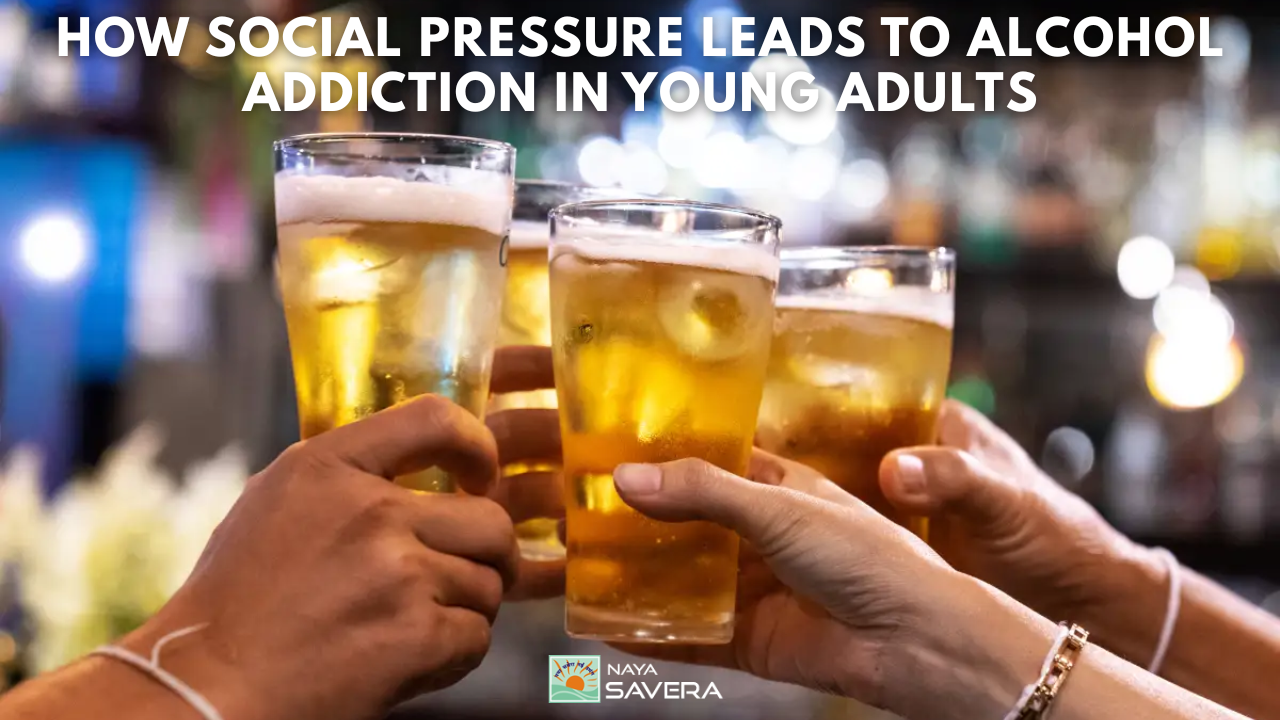

Alcohol addiction among young adults is rising at an alarming pace across India. What often begins as harmless social drinking gradually turns into dependency, affecting mental health, careers, relationships, and long-term well-being. One of the strongest yet least discussed causes behind this growing crisis is social pressure.
Today’s young generation faces constant expectations to fit in socially, succeed professionally, and maintain a certain lifestyle image. In this environment, alcohol frequently becomes a tool for acceptance, confidence, and escape. Understanding how social pressure contributes to addiction is essential for prevention and long-term recovery.
At a professional Drug De Addiction Centre or Alcohol Rehab Center, experts increasingly observe that many young patients did not start drinking due to personal desire, but because of external influence.
The Changing Culture of Drinking Among Young Adults
A decade ago, alcohol consumption was largely limited to specific social occasions. Today, it has become normalized across college campuses, corporate environments, and even casual social gatherings.
Young adults are exposed to drinking culture through:
- College parties and peer circles
- Workplace networking events
- Social media trends
- Dating culture and nightlife
- Influencer and celebrity lifestyles
Alcohol is often portrayed as confidence, success, and freedom. This repeated exposure subtly shapes behavior, making refusal feel socially uncomfortable.
Many individuals later seeking help at a Rehabilitation Centre in India describe their first drink not as curiosity but as pressure to belong.
Understanding Social Pressure: Direct vs Indirect Influence
Social pressure does not always look obvious. It can be loud and forceful, or silent and psychological.
1. Direct Peer Pressure
This includes clear encouragement such as:
- “Just one drink won’t hurt.”
- “Everyone drinks here.”
- “Don’t be boring.”
Young adults often fear rejection, making them more likely to comply even when uncomfortable.
2. Indirect Social Conditioning
More dangerous is subtle pressure:
- Seeing friends drink regularly
- Feeling excluded in social settings
- Believing alcohol equals maturity
Over time, drinking becomes normalized behavior rather than a conscious choice.
Why Young Minds Are More Vulnerable
Psychologically, young adulthood is a period of identity formation. The brain’s decision-making and impulse-control areas are still developing, making individuals more susceptible to influence.
Key vulnerability factors include:
- Desire for social approval
- Fear of missing out (FOMO)
- Emotional insecurity
- Curiosity and experimentation
- Lack of coping skills for stress
Experts at Best Rehabilitation Centres in India emphasize that addiction often begins during this stage because social validation feels more important than long-term consequences.
Social Media: The Invisible Driver of Alcohol Dependency
Social media has dramatically amplified drinking culture.
Platforms frequently show:
- Party lifestyles
- Celebration drinking
- Luxury experiences involving alcohol
- Influencers glamorizing nightlife
Young viewers rarely see the negative consequences of hangovers, emotional instability, or addiction struggles.
This creates a psychological illusion:
Drinking equals happiness and popularity.
Many patients entering an Alcohol De Addiction Centre report increased drinking habits linked directly to online comparison and digital peer influence.
Workplace Pressure and Professional Drinking Culture
Alcohol addiction among young professionals is increasing rapidly.
Corporate environments often encourage drinking through:
- Client meetings
- Team celebrations
- Weekend outings
- Networking events
Refusing alcohol may feel career-limiting or socially isolating. Gradually, occasional drinking becomes routine stress relief.
Common progression seen at a Rehab Centre in Delhi NCR:
- Social drinking after work
- Drinking to manage stress
- Drinking alone at home
- Emotional dependence
By this stage, alcohol is no longer social, it becomes psychological support.
Emotional Consequences of Social Drinking Turning Into Addiction
When alcohol use shifts from choice to need, emotional health begins to decline.
Young adults may experience:
- Anxiety and mood swings
- Low self-esteem
- Sleep disturbances
- Loss of motivation
- Increased loneliness despite social activity
Ironically, alcohol initially used to gain confidence often worsens insecurity over time.
Professionals at a Drug De Addiction Centre explain that alcohol alters brain chemistry, reducing natural dopamine production and increasing emotional dependence.
Warning Signs Families Often Miss
Families frequently assume drinking is “just a phase.” However, early warning signs appear long before severe addiction develops.
Behavioral Changes
- Increased secrecy
- Late nights becoming frequent
- Avoiding family interactions
Emotional Indicators
- Irritability without alcohol
- Sudden anger or withdrawal
- Loss of interest in hobbies
Lifestyle Changes
- Declining work or academic performance
- Financial issues
- Change in friend circles
Early intervention at a Rehabilitation Center for Drug Addicts significantly improves recovery outcomes.
Why Social Pressure Makes Quitting Difficult
Once alcohol becomes part of identity and social routine, quitting feels emotionally threatening.
Young adults fear:
- Losing friends
- Being judged
- Social isolation
- Missing opportunities
This psychological barrier often delays treatment.
At a Best Rehab Centre in India, therapy focuses not only on detox but also on rebuilding confidence without alcohol.
How Rehabilitation Helps Break Social Dependency
Modern rehabilitation programs address both addiction and social triggers.
Structured Therapy Approach
- Cognitive Behavioral Therapy (CBT)
- Group counseling
- Emotional regulation training
Social Skill Rebuilding
Patients learn:
- How to refuse alcohol confidently
- How to manage peer pressure
- How to build healthier friendships
Lifestyle Reset
- Fitness routines
- Mindfulness practices
- Purpose-driven activities
A professional De Addiction Centre in India helps individuals rediscover identity beyond drinking culture.
Building Resistance Against Social Pressure
Recovery also involves developing long-term coping strategies.
Experts recommend:
- Choosing supportive social circles
- Setting personal boundaries
- Practicing assertive communication
- Engaging in hobbies and physical activity
- Seeking therapy during stress periods
Young adults who develop emotional resilience are far less likely to relapse.
The Role of Family and Society
Families and communities must shift their perspective from judgment to support.
Helpful actions include:
- Open conversations about alcohol
- Avoiding shame-based reactions
- Encouraging counseling early
- Understanding addiction as a medical condition
Supportive environments significantly increase success rates after treatment at an Alcohol Rehab Center.
Conclusion: Awareness Is the First Step Toward Prevention
Alcohol addiction among young adults is rarely about weakness or lack of discipline. More often, it begins with the simple desire to belong.
Social pressure, digital influence, and modern lifestyle expectations silently push individuals toward unhealthy habits. Recognizing these patterns early can prevent years of emotional and physical damage.
Recovery is possible especially when intervention happens early and support systems are strong. Professional help from a structured Rehabilitation Centre in India provides the tools needed to rebuild confidence, emotional stability, and a healthy future.
Leave a Comment