

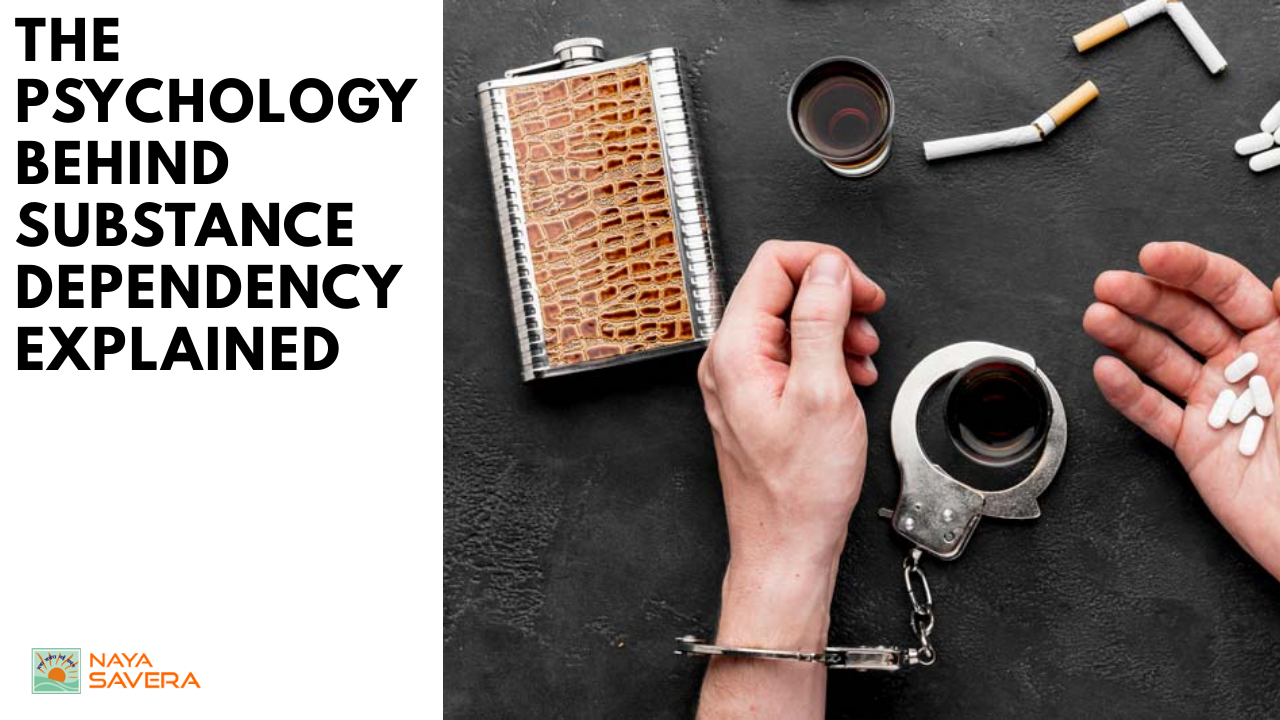

Substance dependency is often misunderstood as a lack of discipline or weak willpower. In reality, addiction is deeply rooted in psychology, brain chemistry, emotional conditioning, and behavioral patterns developed over time. Across India, families are increasingly realizing that addiction is not simply about substances it is about the human mind struggling to cope.
Understanding the psychological foundation of dependency helps individuals and families approach recovery with empathy instead of judgment. Today, professionals working in every Rehabilitation Centre in India emphasize that long-term recovery begins only when the psychological causes of addiction are addressed alongside physical detoxification.
Addiction Is a Brain and Behavior Disorder – Not a Choice
Many people believe individuals choose addiction repeatedly. Psychology tells a different story.
When substances like alcohol or drugs enter the body, they activate the brain’s reward system, particularly dopamine pathways responsible for pleasure and motivation. Over time, the brain learns to associate substances with relief, comfort, or happiness.
Eventually, the brain stops producing pleasure naturally. At this stage, dependency develops.
This is why treatment programs at a Drug De Addiction Centre or Alcohol Rehab Center focus heavily on behavioral therapy rather than punishment or restriction.
The Reward System: Why the Brain Craves Substances
The human brain is wired to repeat rewarding experiences. Food, achievement, and relationships naturally release dopamine.
Substances artificially produce dopamine at levels far higher than normal experiences. Psychologically, this creates a powerful learning loop:
Trigger → Substance Use → Pleasure → Reinforcement
After repeated exposure, the brain prioritizes substance use over responsibilities, relationships, and even survival instincts.
Experts at leading Best Rehabilitation Centre in India programs describe this stage as “reward hijacking,” where rational thinking becomes secondary to craving.
Emotional Pain: The Hidden Driver of Addiction
Substance dependency rarely begins with pleasure alone. Often, it starts as emotional self-medication.
Common psychological triggers include:
- Chronic stress
- Childhood trauma
- Anxiety disorders
- Depression
- Loneliness
- Low self-esteem
Many individuals entering a De Addiction Centre in India report using substances not to feel high but to stop feeling emotional pain.
Alcohol may temporarily reduce anxiety, while drugs may create emotional escape. Over time, the brain learns avoidance instead of coping.
Conditioning and Habit Formation
Psychology explains addiction through conditioning.
If a person drinks after work daily to relax, the brain links stress relief with alcohol. Soon, stress automatically triggers craving.
Examples include:
- Drinking after arguments
- Using substances during social gatherings
- Drug use linked with specific friends or locations
This learned association is why relapse prevention strategies are a major part of every Drug Deaddiction Program.
The Role of Personality Traits in Dependency
Certain psychological traits increase vulnerability to addiction:
1. Impulsivity
Individuals who seek instant gratification are more likely to experiment repeatedly.
2. Sensation Seeking
People drawn to excitement or risk may pursue stronger experiences through substances.
3. Emotional Sensitivity
Highly sensitive individuals sometimes struggle with emotional regulation and turn to substances for relief.
Therapists at a Rehabilitation Center for Drug Addicts often identify these traits early to customize recovery strategies.
Stress and Modern Lifestyle Psychology
Urban India has seen a sharp rise in stress-driven addiction.
High competition, career pressure, and social expectations create chronic psychological strain. Many professionals begin drinking socially, unaware that stress reinforcement is forming dependency patterns.
This trend explains increasing admissions in Rehab Centre in Delhi NCR and Rehab Centre in Noida, where functioning professionals seek help before complete breakdown occurs.
The Psychology of Denial
One of addiction’s strongest psychological defenses is denial.
The brain protects itself from guilt through rationalization:
- “I only drink socially.”
- “I can stop anytime.”
- “Everyone does it.”
Denial reduces internal conflict, allowing dependency to continue unchecked.
Therapy at a Best Rehab Centre in Delhi helps individuals gradually confront reality without shame or confrontation.
Shame, Guilt, and the Addiction Cycle
Ironically, negative emotions strengthen addiction.
Cycle of psychological dependency:
- Substance use
- Temporary relief
- Guilt or regret
- Emotional discomfort
- More substance use
This loop explains why willpower alone rarely works. Recovery programs at an Alcohol Rehabilitation Centre in Delhi aim to break emotional triggers rather than simply remove substances.
Social Psychology and Peer Influence
Human behavior is strongly influenced by social environments.
Young adults especially experience:
- Fear of Missing Out (FOMO)
- Desire for acceptance
- Party culture normalization
Repeated exposure reduces perceived risk.
Many cases treated at a Best Deaddiction Centre in India begin with social experimentation rather than intentional dependency.
Trauma and Addiction: A Strong Psychological Link
Research shows a high percentage of addiction cases involve unresolved trauma.
Trauma may include:
- Emotional neglect
- Loss of loved ones
- Abuse
- Major life failures
Substances temporarily numb traumatic memories. Without therapy, relapse risk remains high even after detox.
This is why modern Alcohol De Addiction Centre programs integrate trauma-informed counseling.
Why Detox Alone Is Not Enough
Physical detox removes substances from the body but psychological triggers remain.
Without therapy, individuals return to the same thought patterns and emotional responses that caused addiction initially.
Effective rehabilitation includes:
- Cognitive Behavioral Therapy (CBT)
- Emotional regulation training
- Mindfulness practices
- Behavioral restructuring
These approaches are standard in a Best Rehab Centre in India focusing on sustainable recovery.
Neuroplasticity: The Brain Can Heal
The hopeful truth is that the brain can rewire itself.
Through consistent therapy and healthy routines, neural pathways damaged by addiction gradually rebuild.
Recovery practices include:
- Structured daily routines
- Exercise and yoga
- Meditation
- Support groups
- Meaningful social connections
Over time, natural dopamine balance returns, reducing cravings significantly.
Family Psychology in Recovery
Families play a critical psychological role.
Supportive families encourage recovery, while constant blame increases relapse risk.
Healthy support involves:
- Listening without judgment
- Avoiding emotional confrontation
- Encouraging professional help early
Many successful cases from Rehab Centre in Delhi programs involve active family participation during therapy.
Conclusion
Substance dependency is not created overnight and it cannot be solved overnight. It develops through psychological conditioning, emotional struggles, social influences, and brain chemistry changes.
Understanding the psychology behind addiction shifts the conversation from blame to healing.
When individuals receive structured psychological support alongside medical care, recovery becomes not just possible but sustainable.
Education, awareness, and early intervention remain the strongest tools in preventing addiction from controlling lives. With the right guidance and professional rehabilitation support, individuals can rebuild emotional resilience and rediscover a life beyond dependency.
Leave a Comment